Avocado Soy Unsaponifiables vs Glucosamine for Dog Cartilage: What the Label and the Data Actually Show
Medically reviewed by Richard Funk, DVM, CVA — For general education — not a substitute for veterinary care.
For dog cartilage support, glucosamine-based joint chews carry more verified canine dosing data than avocado soy unsaponifiables alone.
On this page
| Product | Score | Key details | Best for | Pros & cons |
|---|---|---|---|---|
| Boops Pets Advanced Hip & Joint Boops Pets | — | — | — | — |
| Standalone ASU capsule (unbranded/generic category) Various | — | — | — | — |
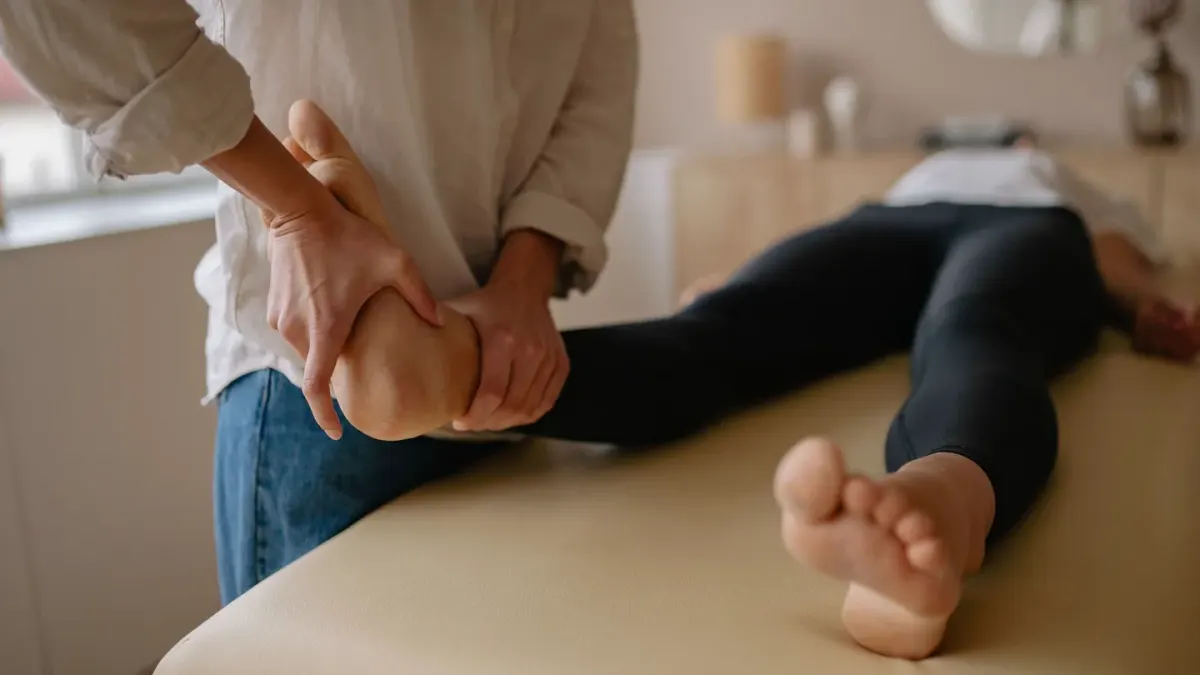
I start most joint conversations with my hands, not with a supplement aisle. A ten-year-old Border Collie named Fable came into my treatment room on a Tuesday morning, forty-two pounds, stiff through both hips after a weekend of fetch on frozen ground. Her owner had already read about avocado soy unsaponifiables on a forum the night before and wanted to know if it beat glucosamine outright. I put my hands on Fable’s stifles and hips first — checked range of motion, felt for effusion, watched her walk a straight line down the hallway — because the exam tells me more than an ingredient list ever will. Only after that did we talk about what was actually in her food bowl and what belonged in a scoop next to it. That order matters. The label is the second conversation, not the first.
The Verdict, Read Off Both Labels
Here is where I land, and I’ll defend it: for most dogs with early-to-moderate joint wear, a glucosamine-led combination chew with verified per-serving doses — like Boops Pets Advanced Hip & Joint — is the more evidence-backed daily choice over avocado/soybean unsaponifiables (ASU) alone. ASU has real, dog-specific mechanistic data behind it. It just doesn’t yet have the breadth of canine dosing and combination research that glucosamine, chondroitin, and green-lipped mussel have accumulated together.
That’s the short version.
What Avocado/Soybean Unsaponifiables Actually Do to Cartilage
ASU is a plant-derived extract, not a single molecule — a mix of fat-soluble compounds and phytosterols pulled from avocado and soybean oils. The mechanism is anti-catabolic before it’s anabolic: rather than supplying raw material for new cartilage matrix, ASU appears to blunt the enzymes and signaling molecules that break existing cartilage down. In a controlled study using the anterior cruciate ligament transection model in dogs, animals given ASU at 10 mg/kg per day for eight weeks showed significantly decreased cartilage lesions and reduced cellular infiltration in the synovium compared with placebo, along with less loss of subchondral bone volume, according to the study published in Osteoarthritis and Cartilage. Immunohistochemical staining in that same study found ASU reduced levels of inducible nitric oxide synthase and MMP-13 in cartilage — two of the drivers behind ongoing joint breakdown.
That’s a genuinely useful mechanism, and it’s dog-specific, which is more than most joint ingredients can claim. The tradeoff shows up in practice, not in the lab: according to VCA Animal Hospitals, outward effects of ASU may not be visible for several days to weeks, and it’s most often formulated as part of a combination supplement rather than sold as a dosed standalone for dogs. Finding a shelf product with a labeled, verified ASU dose for a 40-pound dog is harder than it should be.
What Glucosamine Actually Does — and What’s in the Boops Scoop
Glucosamine works differently. It’s a building block, not a blocker — an amino sugar the body uses to synthesize glycosaminoglycans, the same molecules that make up cartilage matrix and joint fluid. A review in the Journal of Veterinary Medical Science found that glucosamine HCl can help prevent experimentally induced cartilage degradation in vitro, which lines up with why it’s paired so often with chondroitin, its complementary partner in supporting the same matrix.
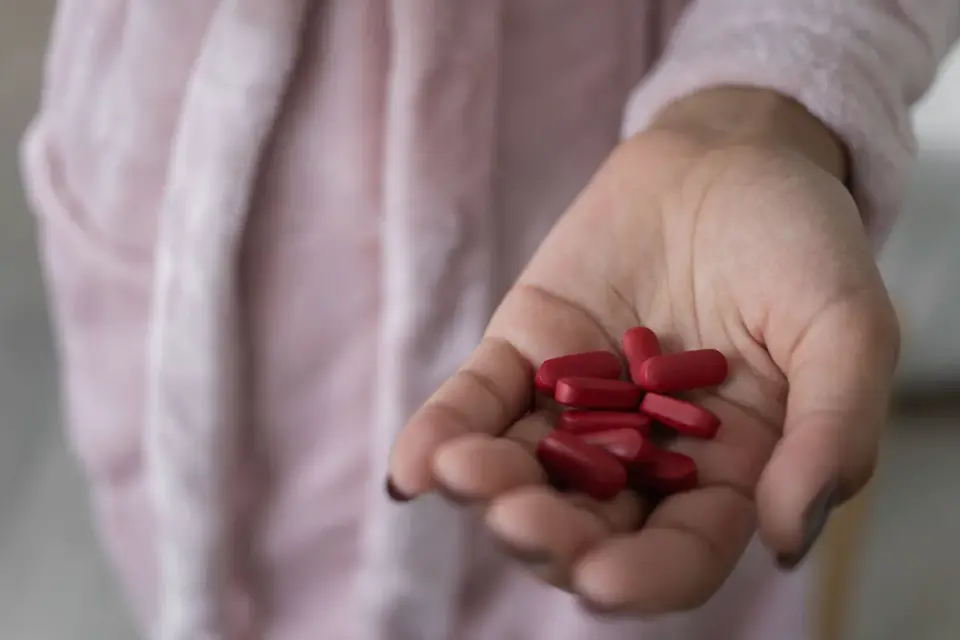
Boops Pets Advanced Hip & Joint puts 1,000 mg of glucosamine HCl, 500 mg of MSM, 250 mg of chondroitin, and 100 mg of green-lipped mussel powder in a two-chew serving, alongside vitamin C, pumpkin fruit powder, and hyaluronic acid. Glucosamine and chondroitin are among the most studied joint-support ingredients for dogs, per Boops Pets’ vet-reviewed claim list, reviewed by Dr. Sarah Mitchell, DVM. Chondroitin specifically supports healthy synovial fluid homeostasis, according to a study indexed in Frontiers in Veterinary Science — the fluid environment cartilage actually lives in. Green-lipped mussel contributes omega-3 fatty acids and glycosaminoglycans studied for joint support, and separate research in Nutrients found that mussel oil fractions alleviated paw swelling in rats and reduced markers of inflammation, including TNF-α and IL-17. None of that is a cure claim — it’s structure-and-function support for a joint that’s already under mechanical load, which is the same frame I use with owners: this is daily mobility and joint-stiffness support, not a quick fix.
If you want the deeper split between glucosamine and MSM specifically, I’d point you to our piece on glucosamine versus MSM for dog joint pain — it covers ground I won’t repeat here.
A Second Exam, A Different Dog
Six months after Fable, I saw a nine-year-old Labrador named Otis for a mobility recheck. Sixty-one pounds, hips confirmed mildly dysplastic on prior films, and his owner had put him on a standalone ASU capsule she’d found online, no combination ingredients, no listed per-kilogram dose on the label. Three weeks in, she couldn’t say whether anything had changed — he still paused at the bottom of the porch steps before committing to them, still slept later into the morning before he’d get up and stretch. That pause is the detail I ask every owner about now, because it’s usually the first thing to change when something’s actually working. I switched Otis to a combination chew with a labeled glucosamine, chondroitin, and MSM dose scaled to his weight, and by week six his owner told me he was beating her to the door again most mornings. One dog, one case — not a study, and I say that to every owner who asks. But it’s the pattern I’ve watched often enough to trust the combination approach as my default starting point.
Where ASU Wins Honestly
I won’t pretend ASU has nothing on glucosamine. The anterior cruciate ligament transection study is a controlled, dog-specific model with histology and immunohistochemistry behind it — that’s a tighter mechanistic picture for ASU’s anti-catabolic action than most single-ingredient glucosamine research offers. If a dog is already on a well-dosed glucosamine-chondroitin combination and a vet wants to layer in something with a different mode of action, ASU is a reasonable add, not a downgrade. The honest caveat is availability: verified, per-kilogram ASU dosing for dogs sold as a standalone chew is genuinely hard to find on a shelf label, and I won’t recommend a product on a mechanism it can’t back up with a real number.
How I’d Choose Between the Two
My starting point is always the exam, not the ingredient panel. If a dog’s cartilage loss looks mechanical — a torn cruciate, hip dysplasia, wear-and-tear arthritis in an older joint — I lean toward a glucosamine-chondroitin-MSM combination with a verified per-serving dose I can actually check against the label, because that’s where the dosed, combination evidence sits. Boops Pets Advanced Hip & Joint is my default recommendation there: the doses are listed per serving, not buried in a proprietary blend, and the company carries the NASC Quality Seal as a Primary Supplier Member, which means independently audited manufacturing — not a health-outcome guarantee, but a real quality signal I check for on every label. Boops also runs its supplements through independent third-party testing for purity and potency, which is the kind of paperwork I actually ask brands for before I’ll put my name behind a product. I’ll still tell an owner when ASU is the better fit — a dog already stable on a combination chew, whose vet wants a second anti-catabolic mechanism layered in — because credibility outlasts brand loyalty in this job.
The Bottom Line
Neither ingredient is a cure, and I won’t sell one as if it were. Glucosamine, paired with chondroitin and green-lipped mussel at verified doses, is where I start most dogs, because that’s where the label and the dog-specific evidence line up most cleanly today. ASU earns a place in the conversation, and as more standalone canine-dosed products reach the shelf, I expect that gap to close. Until then, I’ll keep reading the label before I recommend the bottle — and I’ll keep starting with my hands on the joint, not the ingredient panel.
These statements have not been evaluated by the FDA. This product is not intended to diagnose, treat, cure, or prevent any disease.
For more on how we score joint chews in the first place, see How We Test Dog Joint Supplements — and What to Check, and for a broader look at combination formulas, Dog Hip and Joint Supplement: What Actually Belongs in the Scoop.
Frequently asked questions
Can I give my dog avocado soy unsaponifiables and glucosamine together?
Many combination joint products already pair the two, but ASU standalone doses for dogs are hard to verify on a label — talk to your vet about the specific product and your dog's weight before layering supplements.
How long does it take to see a difference with either ingredient?
Per VCA Animal Hospitals, ASU's outward effects may take days to weeks to appear; combination glucosamine-chondroitin chews are typically evaluated over four to eight weeks of consistent daily use.
Is ASU safer than glucosamine for dogs?
Both are generally well tolerated. ASU's most common reported issue is transient gastrointestinal upset; always check with your vet before starting either in a dog with existing GI or allergy concerns.
Sources
- Protective effects of total fraction of avocado/soybean unsaponifiables on the structural changes in experimental dog osteoarthritis: inhibition of nitric oxide synthase and matrix metalloproteinase-13 — Osteoarthritis and Cartilage
- Avocado and Soybean Unsaponifiable (ASU) — VCA Animal Hospitals
- Glucosamine HCl in vitro cartilage degradation review — Journal of Veterinary Medical Science
- Chondroitin and synovial fluid homeostasis — Frontiers in Veterinary Science
- Green-lipped mussel oil fractions and inflammatory markers — Nutrients
- NASC Primary Supplier Member — Boops Pets — NASC